BNPL Regulations Q3 2026: Consumer Bureau Weighs In
Advertisements
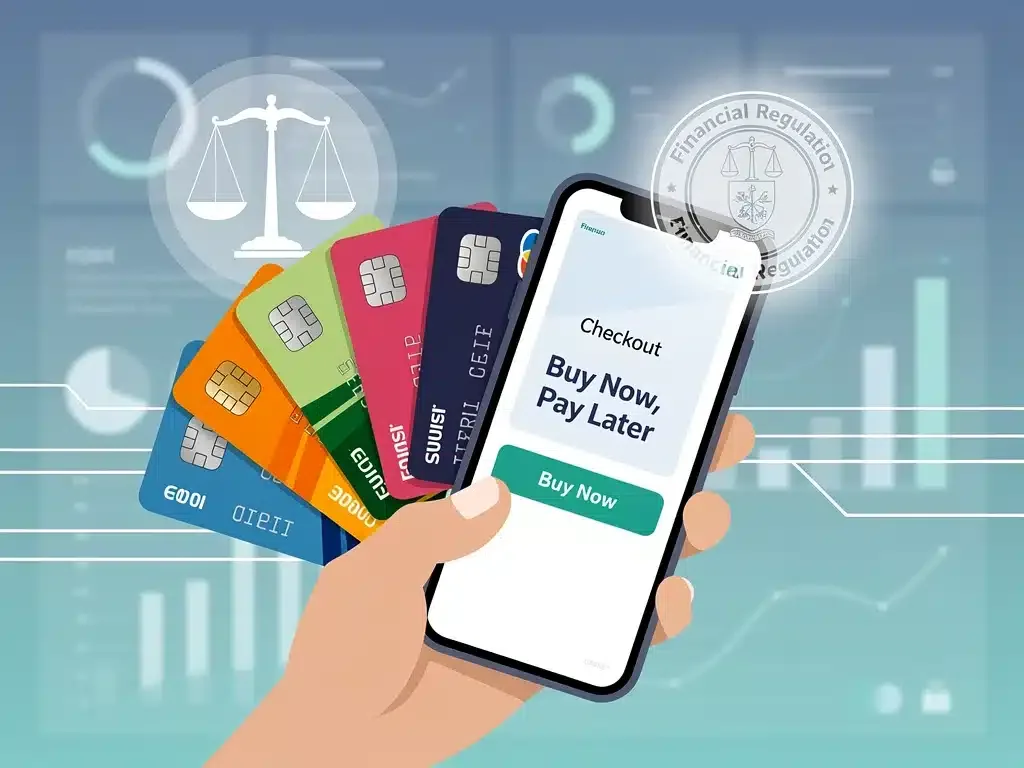
The Consumer Financial Protection Bureau (CFPB) is set to introduce formal oversight for Buy Now, Pay Later (BNPL) services by Q3 2026.
New Regulations on Buy Now, Pay Later (BNPL) Services Expected by Q3 examines incoming credit disclosure rules, consumer data protections, and fee structure restrictions reshaping the U.S. point-of-sale financing industry.
CFPB Intensifies Scrutiny on BNPL Services
The Consumer Financial Protection Bureau (CFPB) has significantly ramped up its focus on the Buy Now, Pay Later (BNPL) market, driven by concerns over consumer protection and market transparency.
This increased scrutiny reflects the rapid growth of BNPL services and their expanding role in consumer spending habits.
Officials cite the need to ensure that BNPL products offer the same protections as traditional credit cards, particularly regarding dispute rights and fee disclosures.
The bureau’s proactive stance underscores a commitment to safeguarding consumers from potential pitfalls associated with these often-unregulated financial offerings.
This intensified examination is a direct precursor to the formal regulatory framework, which is expected to standardize practices across the industry and provide a clearer operating environment for all stakeholders.
The Driving Force Behind New Regulations
The surge in BNPL usage, particularly among younger demographics and for everyday purchases, has highlighted a regulatory gap that the CFPB seeks to close.
Unlike traditional credit, many BNPL providers have operated outside the purview of federal lending laws, leading to inconsistent consumer protections.
Concerns have been raised regarding inadequate disclosure of terms, potential for consumers to over-extend themselves, and limited recourse for disputes or returns.
The CFPB’s intervention aims to level the playing field and ensure that consumers are adequately informed and protected.
This regulatory push is not merely reactive but also forward-looking, anticipating continued innovation in financial technology while striving to maintain market integrity and consumer trust.
- Rapid growth of BNPL market and increased consumer adoption.
- Inconsistencies in consumer protection compared to traditional credit.
- Concerns over hidden fees, over-indebtedness, and dispute resolution.
Key Areas Targeted by Forthcoming Rules
The upcoming BNPL Regulations Q3 2026 are expected to target several critical aspects of Buy Now, Pay Later operations, fundamentally reshaping how these services are offered and managed.
These regulations aim to enhance transparency and provide consumers with clearer rights and protections.
Specific areas of focus include how fees are disclosed, the process for resolving disputes, and the handling of consumer data, which has become a significant point of concern.
The CFPB’s objective is to establish a framework that minimizes potential harm to consumers while allowing the BNPL market to continue innovating responsibly.
These targeted rules will necessitate significant operational adjustments for BNPL providers, compelling them to review and revise their current practices to ensure full compliance by the stipulated deadline.
Consumer Data Protection and Privacy
One of the paramount concerns addressed by the proposed regulations involves consumer data protection.
BNPL providers often collect extensive personal and financial information, raising questions about how this data is stored, used, and shared.
The CFPB intends to implement stringent rules to ensure that consumer data is handled securely and transparently, providing individuals with greater control over their information.
This will likely include requirements for clear privacy policies and robust cybersecurity measures, mirroring standards in other regulated financial sectors.
Protecting consumer privacy is essential for maintaining trust in digital financial services and mitigating risks associated with data breaches or misuse.
Dispute Resolution Mechanisms
Currently, consumer recourse for issues with BNPL purchases can vary significantly between providers, often lacking the robust protections found with credit cards.
The new regulations will standardize dispute resolution processes, empowering consumers to challenge unauthorized transactions or product issues more effectively.
This will likely involve mandating clear procedures for filing complaints, timely investigations, and the ability to pause payments on disputed items. Such measures are crucial for ensuring fairness and accountability within the BNPL ecosystem.
A consistent and transparent dispute resolution framework is vital for building consumer confidence and ensuring equitable treatment.
Impact on BNPL Providers and Business Models
The impending BNPL Regulations Q3 2026 will undoubtedly have a profound impact on Buy Now, Pay Later providers, necessitating significant adjustments to their existing business models.
Companies will need to re-evaluate their operational structures, compliance protocols, and customer engagement strategies.
These changes will likely involve increased investment in compliance infrastructure, staff training, and technological upgrades to meet the new regulatory demands.
The shift towards greater transparency and consumer protection will also influence product development and marketing approaches.
While some providers may face challenges in adapting, the regulations could also foster a more stable and trustworthy market, potentially benefiting those who embrace compliance early and proactively.
Operational Adjustments for Compliance
BNPL providers must prepare for substantial operational adjustments to comply with the forthcoming regulations. This includes overhauling existing systems for data handling, dispute management, and financial reporting.
Implementing robust compliance frameworks will be essential, requiring dedicated resources and expertise.
Companies will need to ensure that their internal processes align with the new federal standards, which could involve significant technological upgrades and staff training.
Proactive engagement with the regulatory guidelines will be key to a smooth transition and avoiding potential penalties.
Rethinking Fee Structures and Disclosures
The CFPB’s focus on transparency means BNPL providers will need to re-examine their fee structures and how these are communicated to consumers.
Ambiguous or hidden fees are likely to be prohibited, necessitating clearer and more upfront disclosures.
Providers may need to simplify their fee models and ensure that all charges, including late fees and interest, are explicitly stated before a consumer commits to a purchase.
This shift aims to empower consumers with complete information, enabling more informed financial decisions.
Clear and honest communication about costs will be a cornerstone of the new regulatory environment, fostering greater trust between providers and users.
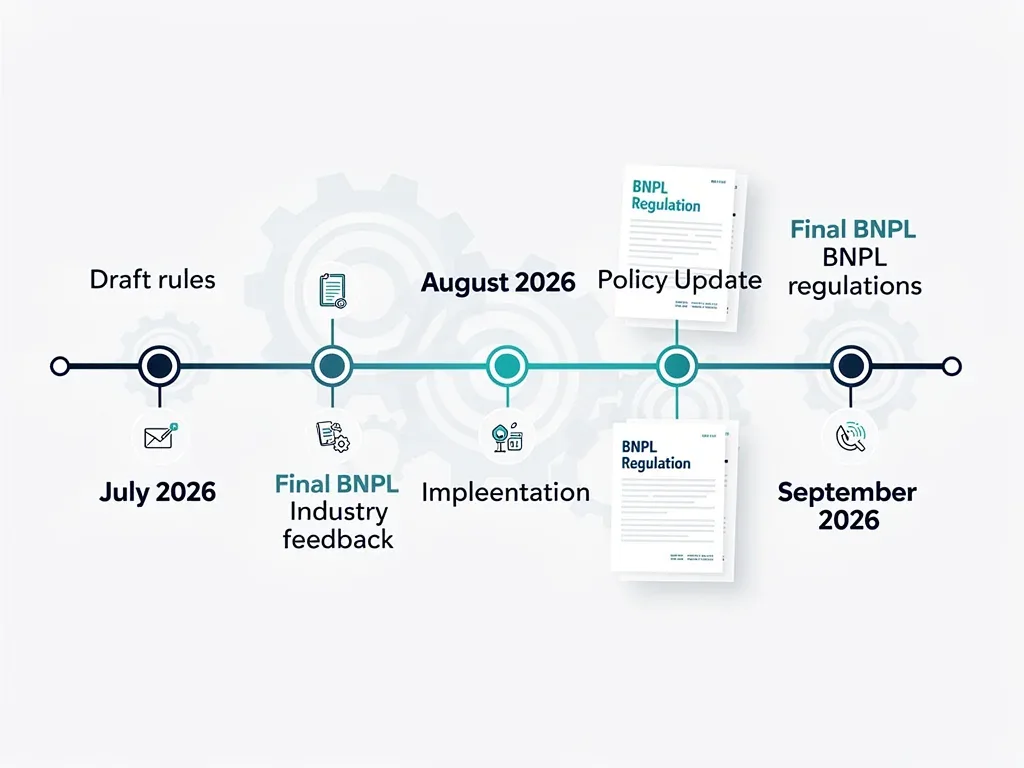
The BNPL Regulations Q3 2026 are set to redefine the competitive landscape, potentially favoring providers who can quickly adapt to the new standards and demonstrate a strong commitment to consumer welfare.
Anticipated Benefits for Consumers
The introduction of BNPL Regulations Q3 2026 is expected to bring a host of significant benefits for consumers, primarily by enhancing transparency, protection, and overall fairness in the Buy Now, Pay Later market.
These measures are designed to empower users with more information and greater recourse.
Consumers can anticipate clearer terms and conditions, standardized dispute resolution processes, and stronger safeguards for their personal and financial data.
This regulatory overhaul aims to build greater trust in BNPL services, making them a safer and more reliable payment option.
Ultimately, these regulations are poised to create a more equitable environment where consumers can utilize BNPL products with increased confidence, knowing their rights are protected.
Enhanced Transparency and Informed Choices
One of the most immediate benefits for consumers will be significantly enhanced transparency.
The new regulations will mandate clearer disclosures of all fees, interest rates, and payment schedules, removing ambiguity and enabling consumers to make truly informed decisions.
This increased clarity will allow individuals to fully understand the financial commitments associated with BNPL plans before they commit.
The ability to compare offerings from different providers on a more standardized basis will also become easier.
Informed choices are fundamental to responsible financial management, and these regulations are designed to facilitate just that.
Stronger Protections and Dispute Rights
Consumers will gain stronger protections and more robust dispute rights, bringing BNPL services closer to the standards of traditional credit cards.
This means better avenues for resolving issues related to purchases, billing errors, or fraudulent activity.
The ability to dispute charges and potentially pause payments during investigations will provide a crucial safety net for users.
These strengthened rights are vital for protecting consumers from unfair practices and ensuring they have adequate recourse when problems arise.
This enhanced protective framework is a cornerstone of the CFPB’s regulatory efforts, directly addressing long-standing consumer advocacy concerns.
Potential Challenges and Criticisms
While the BNPL Regulations Q3 2026 are largely welcomed, they are not without potential challenges and criticisms from various stakeholders.
The implementation process itself could present hurdles for both regulators and the industry, requiring careful navigation.
Some critics argue that overly stringent regulations could stifle innovation within the BNPL sector, potentially limiting consumer choice or making these services less accessible.
There are also concerns about the administrative burden on smaller BNPL providers, who may struggle to meet extensive compliance requirements.
Balancing consumer protection with fostering a dynamic and competitive market will be a key challenge for the CFPB as these regulations take shape and are enforced.
Impact on Innovation and Market Entry
A primary concern among some industry players is that strict regulations might impede innovation in the BNPL space.
The sector has thrived on its agility and ability to offer novel payment solutions, and heavy compliance costs could deter new entrants or limit the development of new features.
The balance between robust oversight and fostering an environment conducive to technological advancement is delicate.
Regulators will need to ensure that the rules are flexible enough to adapt to future innovations without compromising consumer safety.
Maintaining a competitive market while ensuring consumer welfare remains a significant challenge for the regulatory body.
Compliance Burden for Smaller Providers
Smaller Buy Now, Pay Later providers may face a disproportionately heavy compliance burden compared to larger, more established firms.
The cost of implementing new systems, hiring compliance personnel, and conducting extensive legal reviews could be substantial.
This could lead to market consolidation, as smaller players might find it difficult to compete under the new regulatory regime.
The CFPB will need to consider how to support smaller businesses in meeting these requirements without stifling their ability to operate.
Ensuring equitable application of regulations, regardless of company size, is crucial for maintaining a diverse and competitive BNPL market.
Broader Implications for the Financial Landscape
The introduction of BNPL Regulations Q3 2026 extends beyond the immediate Buy Now, Pay Later market, carrying broader implications for the entire financial landscape.
This regulatory shift signals a growing trend towards greater oversight of innovative financial technologies.
The move could influence how other fintech products are regulated in the future, setting a precedent for consumer protection in rapidly evolving digital financial services.
It also highlights the increasing interconnectedness of various financial products and the need for a holistic regulatory approach.
Ultimately, these regulations could lead to a more integrated and secure financial ecosystem, where innovation is balanced with robust consumer safeguards.
The regulatory convergence between BNPL and traditional credit products underscores a broader effort to ensure consistency in consumer protections across all forms of lending, regardless of their technological wrapper.
Precedent for Fintech Regulation
The CFPB’s comprehensive approach to regulating BNPL services could set a significant precedent for how other emerging financial technologies are addressed.
As fintech continues to innovate, regulators are likely to apply similar frameworks to ensure consumer safety and market integrity.
This means that companies developing new payment solutions or lending models should anticipate a similar level of scrutiny and prepare for potential regulatory oversight.
The BNPL case serves as a clear indicator of the direction of financial regulation.
Proactive engagement with regulatory bodies and a focus on consumer-centric design will become increasingly important for all fintech innovators.
Consumer Credit Reporting and Scoring
Another significant implication of the new regulations relates to consumer credit reporting and scoring.
Currently, BNPL payments are not always reported to major credit bureaus, which can impact a consumer’s credit history and access to traditional credit products.
The CFPB may push for greater integration of BNPL payment data into credit reporting, offering a more complete picture of a consumer’s financial obligations.
This could have dual effects: potentially improving credit scores for responsible users but also impacting those who struggle with payments.
A standardized approach to credit reporting for BNPL services would create a more transparent and fair credit ecosystem for all.
Preparing for the 2026 Deadline
As the Q3 2026 deadline for the BNPL Regulations Q3 2026 approaches, both consumers and providers need to take proactive steps to prepare for the significant changes ahead.
Early preparation can mitigate potential disruptions and ensure a smoother transition into the new regulatory environment.
For consumers, this means staying informed about their rights and understanding how the new rules will affect their BNPL usage.
Providers, on the other hand, must initiate comprehensive reviews of their operations, legal frameworks, and technological infrastructure.
The period leading up to the deadline is crucial for adaptation, ensuring that all parties are ready to comply with and benefit from the enhanced regulatory framework.
Guidance for BNPL Providers
BNPL providers should not wait until the last minute to prepare for the new regulations. It is advisable to conduct thorough internal audits of current practices against anticipated CFPB guidelines.
Engaging legal counsel specializing in financial regulation is also highly recommended.
Investing in compliance software and training staff on new procedures will be essential. Developing clear communication strategies to inform customers about changes to terms and conditions will also be critical for maintaining trust.
Proactive engagement with industry associations and regulatory updates will help providers stay ahead of the curve and ensure a seamless transition.
Advice for Consumers
Consumers should actively monitor updates from the CFPB and their preferred BNPL providers regarding the upcoming regulations. Understanding the new rights and protections will be key to navigating the evolving landscape.
It’s also a good practice to review personal BNPL usage, assess financial commitments, and ensure all current payment plans are manageable.
Being aware of how disputes will be handled and what data protections are in place will empower consumers.
Staying informed and vigilant will help consumers fully leverage the benefits of the new regulations and make responsible financial decisions.
| Key Point | Brief Description |
|---|---|
| Regulatory Timeline | New BNPL regulations expected by Q3 2026 from the CFPB. |
| Key Focus Areas | Consumer data protection, dispute resolution, and fee transparency. |
| Provider Impact | Operational adjustments, compliance costs, and business model review. |
| Consumer Benefits | Enhanced transparency, stronger protections, and informed decision-making. |
Frequently Asked Questions About BNPL Regulations
What are the main goals of the New Regulations on Buy Now, Pay Later (BNPL) Services Expected by Q3 2026?▼The primary goals are to enhance consumer protection, ensure transparency in fee structures, and standardize dispute resolution processes across the BNPL industry. The CFPB aims to align BNPL products more closely with traditional credit offerings, providing consumers with consistent rights and safeguards.
How will these BNPL Regulations Q3 2026 affect my existing BNPL agreements?▼While existing agreements may not be immediately voided, providers will need to update their terms and conditions to comply with the new rules. You can expect clearer disclosures, improved dispute mechanisms, and potentially changes to how your data is handled. It’s advisable to review updated terms from your providers.
Will BNPL services become more expensive due to the New Regulations on Buy Now, Pay Later (BNPL) Services Expected by Q3 2026?▼The impact on pricing is not yet fully clear. While compliance costs may increase for providers, leading to potential adjustments, the regulations also aim to eliminate hidden fees and ensure transparency. The goal is fairness, not necessarily higher costs, but market dynamics will play a role.
What should BNPL providers do to prepare for the BNPL Regulations Q3 2026?▼Providers should conduct thorough internal audits, review their legal and operational frameworks, and invest in compliance technology and staff training. Proactive engagement with legal counsel and industry associations is crucial to ensure a smooth transition and full compliance by the deadline.
How will the New Regulations on Buy Now, Pay Later (BNPL) Services Expected by Q3 2026 impact my credit score?▼The regulations may lead to increased reporting of BNPL payment activity to credit bureaus. This could positively impact credit scores for those who manage payments responsibly, but conversely, missed payments could have a negative effect, offering a more complete credit profile.
Perspectives and Implications
The impending BNPL Regulations Q3 2026 represent a pivotal moment for the Buy Now, Pay Later industry and consumer finance in the United States.
This regulatory intervention by the Consumer Protection Bureau underscores a broader commitment to adapting financial oversight to rapidly evolving digital services.
To analyze the broader legislative context and consumer policy frameworks, you can review the official report on BNPL regulations from the Congressional Research Service.
As the deadline approaches, all stakeholders must remain vigilant, monitoring official announcements and industry responses.
The outcome will not only redefine the BNPL landscape but also establish a benchmark for future fintech regulation, emphasizing a balance between innovation and robust consumer safeguards.
This period of transition offers an opportunity for a more transparent, secure, and equitable financial ecosystem for all.