Tax Benefits for Homeowners in 2026: Maximizing Deductions up to $10,000
Advertisements
Understanding Tax Benefits for Homeowners in 2026: Maximizing Deductions for Mortgage Interest and Property Taxes Up to $10,000 is vital for optimizing your personal finances.
This report delivers clear, actionable insights based on current guidelines, detailing how to navigate eligibility requirements, strategic planning, and the ongoing impact of the $10,000 SALT cap.
Use this straightforward guide to maximize your property-related savings and protect your household budget.
Understanding the SALT Cap and its Implications for 2026
The State and Local Tax (SALT) deduction cap, currently set at $10,000, continues to be a significant point of discussion for homeowners, especially those in high-tax states.
This limitation directly impacts the ability of many to fully deduct their property taxes and state income taxes.
For 2026, current projections indicate this cap will remain in effect, necessitating careful financial planning. Homeowners must account for this ceiling when estimating their potential tax savings and overall tax liability.
The cap’s persistence means that even if you pay more than $10,000 in combined state and local taxes, you can only deduct up to that amount on your federal income tax return. This has profound implications for maximizing Tax Benefits for Homeowners.
Navigating the $10,000 Limit on Property Taxes
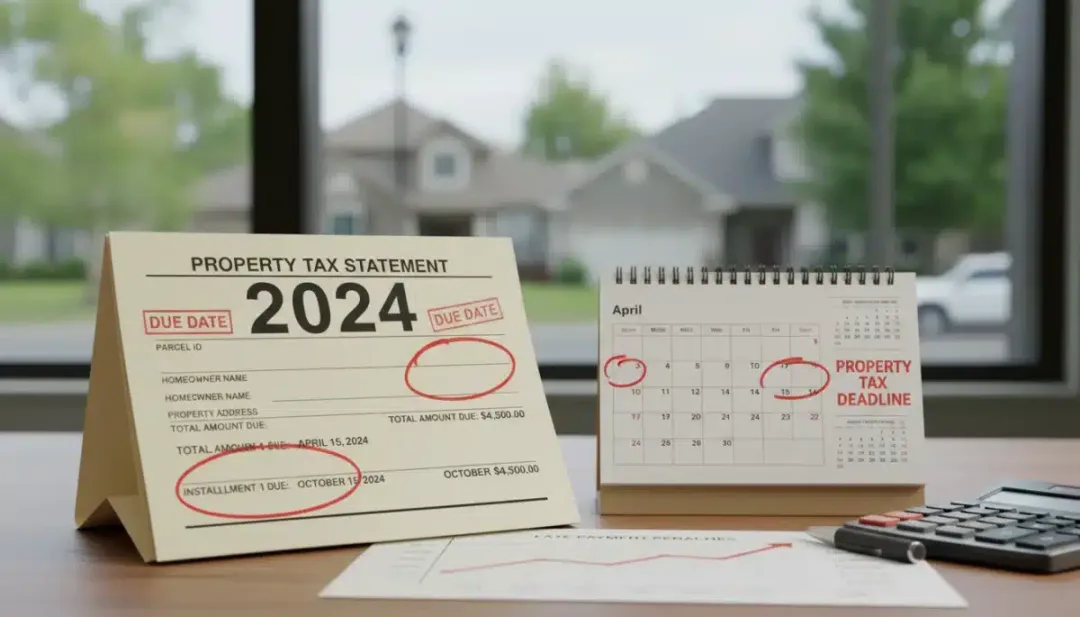
The $10,000 limit on the deduction for state and local taxes, including property taxes, remains a primary concern for many homeowners. This cap, introduced by the Tax Cuts and Jobs Act (TCJA) of 2017, significantly altered the tax landscape.
Homeowners in areas with high property values and corresponding high property taxes often find themselves unable to fully deduct these expenses.
This limitation means a substantial portion of their property tax payments may not translate into federal tax savings.
Strategic planning, including exploring alternative deduction strategies or understanding the full scope of your local tax burden, is crucial.
This helps in accurately forecasting your financial outlook under the existing SALT cap, which directly influences the overall Tax Benefits for Homeowners.
Mortgage Interest Deduction: Key Details for 2026
The mortgage interest deduction continues to be one of the most substantial Tax Benefits for Homeowners. It allows homeowners to deduct interest paid on a mortgage used to buy, build, or substantially improve a home.
However, this deduction is not without its limitations, which homeowners must understand to accurately calculate their potential savings.
The primary cap for most is on mortgage debt up to $750,000, or $375,000 for married individuals filing separately.
This threshold applies to mortgages taken out after December 15, 2017.
For mortgages originated before this date, a higher limit of $1 million ($500,000 for married filing separately) may still apply, offering a significant deduction for many long-term homeowners.
Understanding Qualified Residence Interest
To qualify for the mortgage interest deduction, the interest must be on a loan secured by a main home or a second home.
This includes mortgages, home equity loans, and lines of credit, provided the funds were used to buy, build, or substantially improve the home.
Interest paid on home equity loans or lines of credit used for other purposes, such as paying off credit card debt or funding college tuition, is generally not deductible.
This distinction is crucial for homeowners planning to leverage their home equity.
It is important to maintain meticulous records of how loan proceeds are used to support any deductions claimed.
The IRS scrutinizes these details to ensure compliance, making proper documentation a cornerstone of maximizing Tax Benefits for Homeowners.
Evaluating Other Potential Homeowner Tax Credits and Deductions
Beyond mortgage interest and property taxes, homeowners may qualify for other tax credits and deductions that can further reduce their tax liability.
These often relate to energy-efficient home improvements, medical expenses, or even home office deductions for self-employed individuals.
While not as universally applicable as the primary deductions, these additional benefits can offer significant savings for eligible taxpayers.
Staying informed about these less common, but equally valuable, provisions is a smart financial move.
The availability and specific requirements for these credits and deductions can vary, often depending on federal and state legislative updates.
Therefore, a thorough review of your specific circumstances and any new tax laws is always recommended to capture all available Tax Benefits for Homeowners.

Energy-Efficient Home Improvement Credits
Homeowners investing in energy-efficient upgrades may be eligible for federal tax credits, designed to encourage environmentally friendly improvements.
These credits can cover a portion of the costs for items such as solar panels, energy-efficient windows, and certain heating and cooling systems.
The specific credit amounts and eligibility criteria are subject to change, often adjusted by Congress to reflect current policy goals. Keeping abreast of these updates is essential for homeowners planning such projects.
These credits not only reduce your tax burden but also contribute to long-term energy savings and increased home value.
They represent a valuable component of the broader Tax Benefits for Homeowners, extending beyond the typical property-related write-offs.
Strategic Planning for Homeowners in High-Tax States
Homeowners residing in states with high property taxes and state income taxes face unique challenges due to the $10,000 SALT cap.
Effective tax planning becomes even more critical in these regions to mitigate the impact of limited deductions.
Exploring strategies such as adjusting withholding, making estimated tax payments, or even considering residency changes are options some homeowners evaluate.
While drastic, these considerations highlight the cap’s significant financial weight.
Consulting with a tax professional who specializes in multi-state taxation or high-net-worth individuals can provide tailored advice.
This personalized guidance is invaluable for navigating complex tax scenarios and maximizing Tax Benefits for Homeowners.
The Impact of Property Tax Assessment Appeals
One proactive strategy for homeowners in high-tax areas is to consider appealing their property tax assessment. If you believe your home has been overvalued, a successful appeal can lead to a reduction in your annual property tax bill.
While this process requires research and often involves presenting evidence to local authorities, the potential savings can be substantial.
A lower assessment directly translates to lower property taxes, which can be particularly beneficial under the SALT cap.
This approach directly impacts the amount of property tax you pay, thereby influencing how much of your $10,000 SALT cap is utilized.
Successfully lowering your property tax burden can free up space within the cap for other state and local tax deductions, enhancing overall Tax Benefits for Homeowners.
Record Keeping and Documentation: Your Best Defense
Accurate and thorough record-keeping is not merely a suggestion; it is a fundamental requirement for claiming any tax deduction.
The IRS demands robust documentation to substantiate all claimed benefits, especially those related to homeownership.
This includes maintaining records of mortgage interest statements, property tax bills, receipts for home improvements, and any other expenses you intend to deduct.
Digital copies, alongside physical records, offer a secure and accessible archive.
Without proper documentation, even legitimate deductions can be challenged or disallowed during an audit, leading to potential penalties.
Therefore, diligent record-keeping is your best defense and a critical component of maximizing Tax Benefits for Homeowners.
Digital Organization for Tax Documents
Leveraging digital tools for organizing tax-related documents can streamline the preparation process and enhance security.
Cloud storage solutions, specialized tax software, and even simple digital folders can help categorize and protect your financial records.
Scanning physical receipts and statements into digital formats ensures that copies are always available, even if original documents are lost or damaged.
This proactive approach simplifies tax filing and audit preparedness.
A well-organized digital system can save considerable time and stress during tax season.
It also provides quick access to information, allowing for more informed decisions regarding your Tax Benefits for Homeowners throughout the year.
The Role of Tax Professionals in Maximizing Homeowner Benefits
Given the complexities of tax law and the specific limitations like the SALT cap, engaging a qualified tax professional is often an invaluable investment for homeowners.
Their expertise can uncover deductions and strategies that might otherwise be overlooked.
A tax advisor can provide personalized guidance, helping you understand how current laws apply to your unique financial situation. They can also assist with complex calculations and ensure compliance with all IRS regulations.
For homeowners aiming to truly maximize their Tax Benefits for Homeowners, professional advice offers peace of mind and often leads to tangible savings.
Their insights are particularly useful when considering major financial decisions related to your home.
Selecting the Right Tax Advisor
Choosing a tax professional requires careful consideration to ensure they align with your specific needs.
Look for certifications such as Certified Public Accountant (CPA) or Enrolled Agent (EA), indicating a high level of expertise and ethical standards.
Experience with real estate and homeowner deductions is also a key factor. A professional who understands the nuances of property taxes, mortgage interest, and the SALT cap can offer more relevant and impactful advice.
Don’t hesitate to ask for references or inquire about their fee structure.
A good tax advisor will be transparent and communicative, fostering a trusting relationship that benefits your long-term financial health and helps secure all possible Tax Benefits for Homeowners.
Future Outlook: Potential Changes and What to Monitor
The tax landscape is subject to change, and future legislative actions could impact the Tax Benefits for Homeowners.
While current projections indicate stability, policy debates always continue, especially concerning provisions like the SALT cap.
Homeowners should remain vigilant and follow news from legislative bodies and financial authorities.
Any proposed changes to the tax code could alter deduction limits, eligibility criteria, or introduce new benefits designed to stimulate specific economic activities.
Subscribing to financial news alerts or consulting regularly with your tax professional can help you stay ahead of potential shifts.
Proactive awareness allows for timely adjustments to your financial planning, ensuring you continue to optimize your homeowner tax benefits.
Monitoring Legislative Developments
Key legislative developments that could influence homeowner tax benefits include discussions around the expiration of certain TCJA provisions.
The SALT cap, for instance, is set to expire after 2025, meaning 2026 could bring significant changes if Congress does not act to extend it.
This potential expiration creates a dynamic environment where homeowners must be prepared for various scenarios.
The outcome of these legislative debates will directly affect the extent of available deductions for property taxes and state income taxes.
Staying informed about these political and economic discussions is crucial. The decisions made in the coming months will shape the final structure of Tax Benefits for Homeowners, making active monitoring essential for all property owners.
| Key Benefit | Description for 2026 |
|---|---|
| Mortgage Interest Deduction | Deductible interest on mortgage debt up to $750,000 (or $1M for older loans). |
| Property Tax Deduction | Limited to $10,000 combined with state and local income taxes (SALT cap). |
| Energy-Efficient Credits | Tax credits for qualifying home improvements that enhance energy efficiency. |
| Record Keeping | Essential for substantiating all claimed deductions and avoiding audit issues. |
Frequently Asked Questions About Homeowner Tax Benefits
What is the primary impact of the SALT cap on homeowners?▼The SALT cap limits the deduction for state and local taxes, including property taxes, to $10,000 per household. This significantly reduces federal tax savings for homeowners, especially those in high-tax states, often leading to a higher overall tax burden.
How does the mortgage interest deduction work for new mortgages in 2026?▼For mortgages taken out after December 15, 2017, homeowners can deduct interest paid on up to $750,000 of qualified acquisition debt. This limit applies to loans used to buy, build, or substantially improve your main or second home.
Are home equity loan interest payments deductible in 2026?▼Interest on home equity loans or lines of credit is only deductible if the funds are used to buy, build, or substantially improve the home securing the loan. If used for other personal expenses, the interest is not deductible.
What records should homeowners keep for tax purposes?▼Homeowners should retain mortgage interest statements (Form 1098), property tax bills, receipts for home improvements, and any documentation related to other deductible expenses. Digital and physical records are advisable for easy access and verification.
When might the SALT cap change, and how should I prepare?▼The SALT cap is scheduled to expire after 2025. If Congress does not extend it, 2026 could see its removal. Homeowners should stay updated on legislative news and consult a tax professional for personalized advice on potential changes and strategic adjustments.
Looking Ahead: Navigating the Evolving Tax Landscape
The landscape of Tax Benefits for Homeowners in 2026: Maximizing Deductions for Mortgage Interest and Property Taxes Up to $10,000 is dynamic, influenced by ongoing legislative debates and economic shifts.
Homeowners must adopt a forward-looking approach to financial planning, staying informed about potential changes that could impact their tax obligations and benefits.
The scheduled expiration of the SALT cap after 2025 presents a significant opportunity for change, which could either alleviate or intensify the existing burden on taxpayers.
To track real-time regulatory guidance on what you can claim, monitoring the official IRS newsroom updates regarding tax benefits for homeowners provides direct clarity on eligible itemized deductions, housing allowances, and credit qualifications.
Monitoring congressional discussions and expert analyses will be crucial for anticipating these shifts and making timely adjustments to personal financial strategies.
Ultimately, proactive engagement with tax information and, where necessary, professional advice, remains the most effective way to ensure homeowners continue to maximize their eligible deductions.
This vigilance will empower them to make informed decisions amidst an evolving tax environment, securing their financial health in 2026 and beyond.