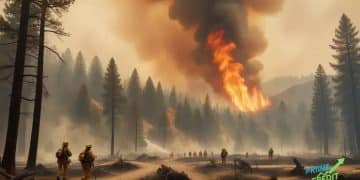
Wildfire evacuations Ventura County Canyon Fire: What You Need to Know
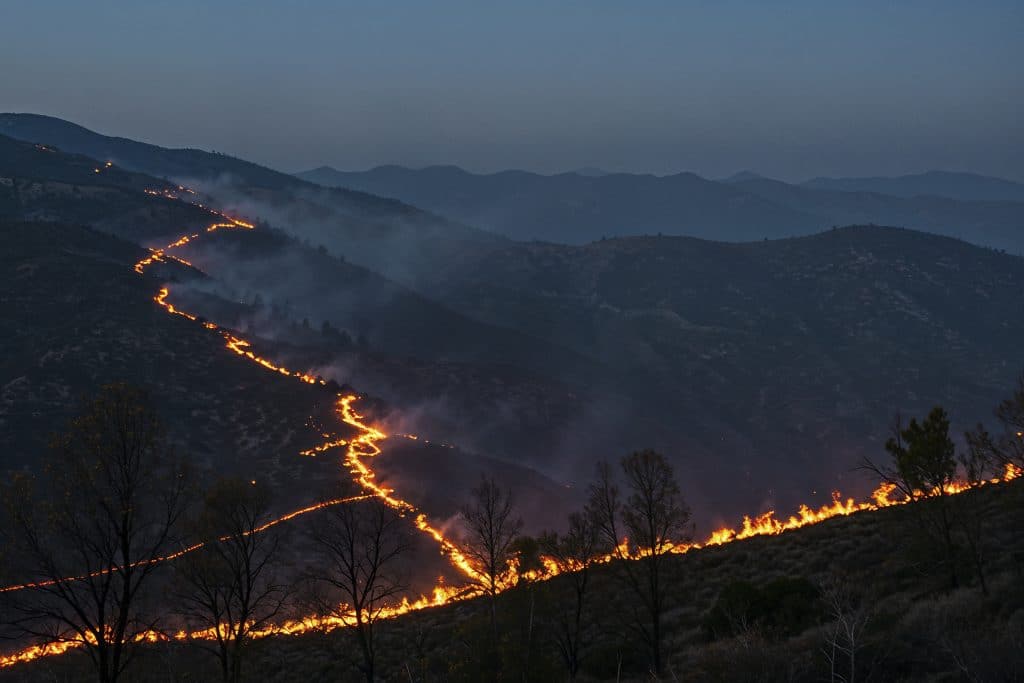
When the sky turns an eerie orange and the smell of smoke fills the air, every second counts. Wildfire evacuations are a terrifying reality for many, especially during intense events like the Canyon Fire in Ventura County.
Are you and your family truly prepared to leave your home at a moment’s notice? Understanding the urgency and having a solid plan can be the difference between safety and catastrophe.
In this guide, we will explore the essential steps to navigate these life-threatening situations with confidence and resilience.
Understanding the Canyon Fire’s impact
Understanding the impact of the Canyon Fire is crucial for residents and those in nearby areas. The consequences of wildfires extend beyond immediate destruction, affecting the environment, health, and community resilience.
The Immediate Effects of the Canyon Fire
The Canyon Fire can cause significant damage, destroying homes and infrastructure. But it’s essential to consider the broader implications:
- Loss of biodiversity: Wildlife habitats are threatened, leading to a decline in animal populations.
- Air quality issues: Smoke inhalation poses serious health risks for vulnerable populations.
- Economic impact: Damage to property and local businesses can take years to recover from.
The aftermath also presents challenges for emergency responders and local governments. Preparations for future fires must be informed by the lessons learned from the Canyon Fire.
Long-term Consequences for Communities
The long-term effects of such fires go beyond the physical destruction. Residents often face emotional and psychological distress. Rebuilding homes is just the beginning. Communities must also address:
- Emotional trauma: Many face anxiety and PTSD.
- Community support: Strong networks are vital for recovery.
- Policy changes: Enhanced safety measures and fire prevention strategies can help mitigate future risks.
As we understand the implications of the Canyon Fire, it’s clear that educating the public on preparation and response is key to enhancing community resilience against future disasters.
By prioritizing awareness and preparedness, we can all play a part in safeguarding our communities.
Emergency response protocols during evacuations
Emergency response protocols during evacuations are critical to ensure safety and efficiency. These protocols are designed to help local authorities and residents act swiftly during crises like the Canyon Fire.
It’s essential for everyone to understand the procedures to minimize chaos and confusion.
Key Components of Emergency Response Protocols
When a wildfire approaches, following established protocols can save lives. Here are some key components:
- Alert Systems: Notifications through text alerts, social media, or local news help keep everyone informed.
- Evacuation Routes: Clear routes should be designated to guide residents away from danger efficiently.
- Emergency Shelters: Locations that provide temporary shelter, food, and medical assistance are vital for those fleeing.
In addition, coordination between local law enforcement, fire departments, and emergency management can enhance the overall response to a crisis. Regular drills can prepare both officials and residents for timely evacuations.
Community Involvement in Protocols
Community involvement ensures that everyone knows their role during an emergency. Residents should:
- Participate in local emergency preparedness meetings.
- Know their neighbors and help each other with evacuation plans.
- Keep emergency supplies ready, including food, water, and first-aid kits.
By actively participating in these protocols, communities can foster a culture of preparedness. This is especially important during events like the Canyon Fire, where time is of the essence.
How to prepare your home for wildfire evacuations
Knowing how to prepare your home for wildfire evacuations is vital for safety. The steps you take in advance can help protect your family and property during an emergency. Being proactive is the key.
Creating a Defensible Space
A defensible space around your home can slow down wildfire spread. This involves:
- Clearing flammable materials: Remove dead leaves, branches, and other debris.
- Landscaping wisely: Choose fire-resistant plants and maintain your yard regularly.
- Space management: Keep trees at least 10 feet apart to prevent fire jumps.
These actions can significantly reduce the chance of your home catching fire.
Emergency Supplies and Evacuation Plan
Every household should have an emergency kit ready. This kit should include:
- Non-perishable food and water for at least three days.
- First-aid supplies for any injuries during evacuation.
- Important documents stored in a fireproof container.
Having a written evacuation plan helps everyone know what to do. Ensure all family members understand the designated meeting spot and escape routes.
Communication and Alerts
Staying informed during wildfires is essential. Sign up for local alerts to receive real-time updates about evacuation orders and safety advisories. Make sure your phone is charged and have a backup power source available.
By preparing your home for wildfire evacuations, you create a safer environment for your family. Regularly review your plans and make adjustments as needed to stay ready.
Staying informed: Resources and alerts
Staying informed during emergencies like wildfires is essential for safety. Knowing where to find resources and alerts can help you react quickly and make informed decisions. It’s important to use reliable sources to get the latest updates.
Local Alert Systems
Many communities offer alert systems that send notifications about wildfires and evacuations. You can sign up for:
- Email alerts: Get direct information sent to your inbox.
- Text messages: Receive quick updates on your phone.
- Social media notifications: Follow local fire departments and emergency services for live updates.
These alerts help you stay aware of developing situations in real-time and can guide your actions during a crisis.
Online Resources
Several online resources provide vital information about wildfires. Websites like:
- Cal Fire: Offers updates on fire conditions and safety tips.
- National Interagency Fire Center: Provides detailed reports on wildfire activity and resources.
- Local news outlets: Often have dedicated sections for emergency news.
Using these resources will keep you informed and prepared.
Preparing for Alerts
To ensure you receive alerts, consider keeping your contact information updated with local emergency agencies.
Check your phone settings to allow notifications and ensure your devices are functional. Regularly verify your subscription to alert systems to avoid missing critical updates.
By staying informed, you can take necessary actions during challenges like the Canyon Fire. Preparedness starts with awareness, so utilize available resources and alert systems to protect yourself and your loved ones.
What to do after evacuation: Restoration and recovery
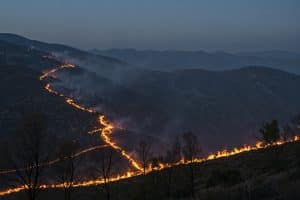
After an evacuation due to a wildfire, knowing what to do next is crucial for your safety and recovery. The process of restoration can be overwhelming, but taking the right steps can help you and your community bounce back.
Assessing the Damage
Once it is safe to return home, start by assessing the damage. Check for structural issues, hazards like downed power lines, and the overall condition of your property.
Look for signs of fire, smoke, or water damage. Make sure to document everything with photos for insurance claims.
Contacting Insurance and Authorities
Notify your insurance company about the damage. They will guide you through the claims process. It’s also important to stay in touch with local authorities for updates on recovery resources. Some key actions to take include:
- Filing insurance claims: Submit your claims with all gathered documentation.
- Registering for disaster assistance: If eligible, apply for aid available through local or federal programs.
- Using local resources: Reach out to community organizations that may provide additional support.
By staying informed, you can access the help you need more efficiently.
Restoring Your Home and Community
Restoration involves repairing and rebuilding your home and surrounding areas. This may take time and require coordination with contractors. Prioritize safety as you clean up debris and begin repairs.
It’s also an opportunity to improve your home by implementing fire-resistant materials and landscaping, creating a more resilient environment for the future.
Community support plays a big role in recovery. Join local groups to engage in cleanup efforts or community meetings. Together, you can share resources, rebuild, and support each other through this challenging time.
Focusing on restoration and recovery after evacuation is vital for individuals and communities impacted by wildfires. Together, resilience can grow stronger even in the face of adversity.
Conclusion
Preparation is the only defense against the unpredictable nature of the Canyon Fire. By establishing a defensible space and staying connected to emergency alerts, you significantly improve your safety margins.
According to recent reports from the BBC, fires in Ventura County have already forced thousands of residents to flee, with more than 10,000 people under warning.
These fast-moving blazes can destroy dozens of homes in a single afternoon, proving that Wildfire evacuations are a matter of life and death.
Stay vigilant, keep your emergency kit ready, and always prioritize lives over property.
Would you like me to help you create a personalized evacuation checklist for your specific neighborhood?
FAQ – Frequently Asked Questions about Wildfire Preparedness and Recovery
What should I do first when an evacuation is ordered?
Immediately gather your emergency supplies, including food, water, and important documents. Stay tuned to local alerts for updates.
How can I protect my home from wildfires?
Create a defensible space by clearing flammable materials and maintaining your landscaping. Use fire-resistant materials on your home.
What resources are available for wildfire recovery?
Local government agencies often provide recovery resources, including financial assistance, temporary housing, and cleanup support.
How can I stay informed during a wildfire?
Sign up for local emergency alerts through text, email, or social media. Monitor news outlets for real-time updates.