FTC Warns on Predatory Lending Practices Surging in Early 2026
Advertisements
The Federal Trade Commission (FTC) issues urgent warnings on predatory lending practices surging in early 2026, providing crucial insights into new threats. This report details the FTC’s proactive measures and offers guidance for consumers to protect themselves from financial exploitation.
The Federal Trade Commission (FTC) Issues New Warnings on Predatory Lending Practices Surging in Early 2026., signaling a critical period for consumer financial safety. This development underscores the FTC’s commitment to protecting individuals from exploitative financial products and practices. Understanding the nuances of these warnings is paramount for anyone navigating the complexities of personal finance in the coming year.
These warnings arrive as economic indicators point to potential vulnerabilities that predatory lenders often exploit. The FTC’s proactive stance aims to arm consumers with the knowledge and resources necessary to identify and avoid falling victim to such schemes. The agency emphasizes that vigilance and informed decision-making will be key in the months ahead.
FTC’s Heightened Alert on Predatory Lending Trends
The Federal Trade Commission (FTC) has significantly heightened its alert level concerning predatory lending practices, projecting a notable surge in early 2026. This intensified focus comes from observed market trends and intelligence gathered from consumer complaints and financial data analysis. The agency is particularly concerned about vulnerable populations being targeted by deceptive loan offers.
These warnings are not issued lightly; they reflect a comprehensive assessment of the evolving landscape of consumer finance. The FTC identifies specific types of loans and tactics that are likely to see increased use by predatory actors. Consumers should be acutely aware of these red flags to safeguard their financial well-being.
The agency’s communication strategy includes public advisories, educational campaigns, and closer monitoring of financial service providers. The goal is to create a more informed public and deter potential perpetrators through increased scrutiny and the threat of enforcement actions. This proactive approach aims to mitigate widespread financial harm before it takes root.
Identifying the Characteristics of Predatory Loans
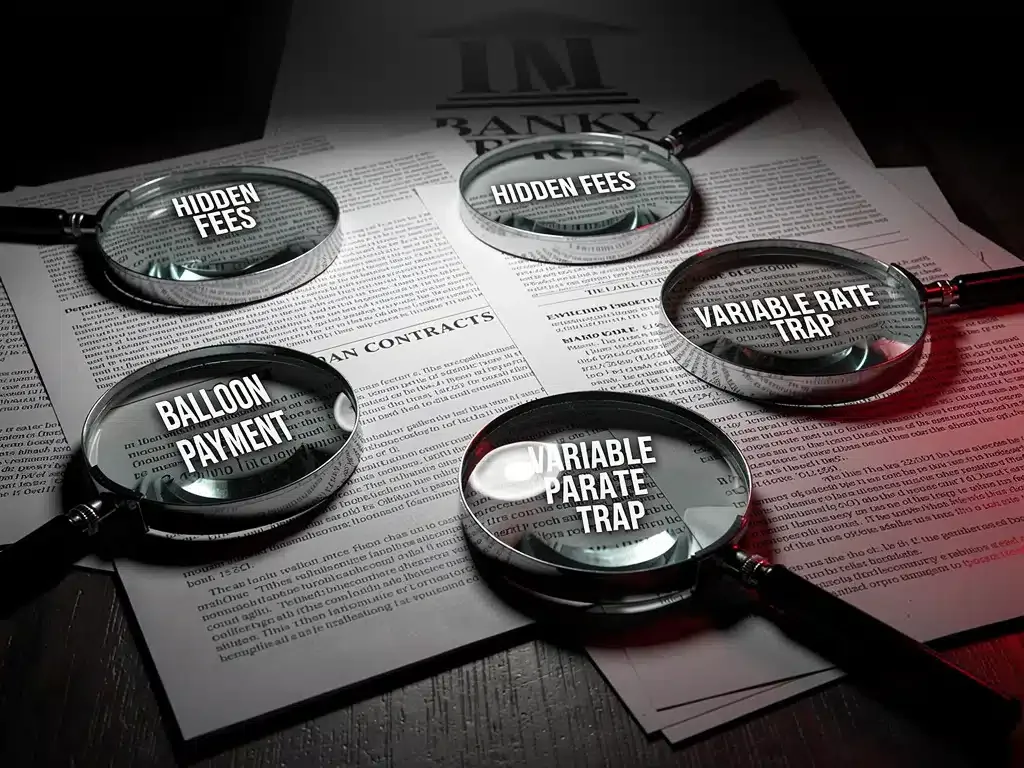
Understanding what constitutes a predatory loan is the first step in avoiding these harmful financial products. The Federal Trade Commission (FTC) Issues New Warnings on Predatory Lending Practices Surging in Early 2026., emphasizing that these loans often come with excessively high interest rates, hidden fees, and unfavorable terms designed to trap borrowers in a cycle of debt. They are typically marketed aggressively to individuals in dire financial straits.
Common characteristics include balloon payments, prepayment penalties, and lending without regard for a borrower’s ability to repay. Predatory lenders frequently pressure borrowers into making quick decisions, discouraging them from reading the fine print or seeking independent financial advice. This haste often leads to long-term financial distress for the unsuspecting consumer.
The FTC’s warnings highlight that these practices are not always immediately obvious. They can be cloaked in seemingly attractive offers or presented as the only available option for those with limited credit histories or urgent cash needs. Recognizing these subtle signs is crucial for protection against predatory lending.
The Economic Factors Fueling the Surge in 2026
Several economic factors are contributing to the FTC’s projection of a surge in predatory lending practices in early 2026. Periods of economic uncertainty or rising inflation often create an environment where more individuals face financial strain, making them susceptible to desperate measures. Lenders capitalize on these vulnerabilities by offering quick, albeit costly, solutions.
Rising interest rates in the broader market can also push legitimate lenders to tighten their credit standards, inadvertently driving more borrowers towards less scrupulous providers. This shift creates a vacuum that predatory lenders are eager to fill, often preying on those who are denied traditional loans. The Federal Trade Commission (FTC) Issues New Warnings on Predatory Lending Practices Surging in Early 2026. directly addresses these underlying economic pressures.
Furthermore, the increasing cost of living and stagnant wages for some segments of the population can deplete emergency savings, leaving individuals with few options when unexpected expenses arise. This confluence of factors creates a fertile ground for the proliferation of predatory lending schemes, making the FTC’s warnings particularly timely and relevant.
FTC’s Enforcement Actions and Regulatory Framework
The Federal Trade Commission (FTC) is not merely issuing warnings but is actively engaged in enforcement actions and strengthening its regulatory framework to combat predatory lending. The agency utilizes its authority to investigate and prosecute firms engaged in deceptive or unfair practices. These actions serve as a deterrent and provide recourse for victims.
Recent enforcement efforts have focused on online lenders and those operating across state lines, where regulatory oversight can sometimes be more challenging. The FTC collaborates with state attorneys general and other federal agencies to ensure a coordinated response to these pervasive issues. This multi-agency approach is vital for effective consumer protection.
Moreover, the FTC is continually evaluating and updating its rules and guidance to adapt to new forms of predatory lending that emerge. The goal is to close loopholes and ensure that consumer protection laws remain robust and effective against evolving threats. The Federal Trade Commission (FTC) Issues New Warnings on Predatory Lending Practices Surging in Early 2026. highlights the ongoing nature of this regulatory battle.
Key Regulatory Measures
- Truth in Lending Act (TILA): Ensures consumers receive clear disclosure of credit terms and costs.
- Fair Debt Collection Practices Act (FDCPA): Prohibits abusive practices by debt collectors.
- FTC Act: Grants the FTC broad authority to prevent unfair methods of competition and unfair or deceptive acts or practices.
Consumer Protection Strategies and Resources
In light of the FTC’s warnings, consumers must adopt proactive strategies to protect themselves from predatory lending. The first step involves thoroughly researching any lender before committing to a loan. Checking reviews, verifying licenses, and understanding all terms and conditions are essential due diligence practices.
Consumers should also be wary of unsolicited offers, especially those promising guaranteed approval or immediate cash without a credit check. These are often hallmarks of predatory schemes. It is always advisable to compare offers from multiple reputable lenders and to seek advice from a trusted financial advisor before signing any loan agreement. The Federal Trade Commission (FTC) Issues New Warnings on Predatory Lending Practices Surging in Early 2026. underscores the importance of these preventative measures.
The FTC provides a wealth of resources on its website, including guides on how to spot scams, how to manage debt, and how to file a complaint. Leveraging these resources can empower individuals to make informed decisions and avoid financial pitfalls. Education is a powerful tool in the fight against predatory lending.
Essential Consumer Actions
- Verify Lender Credentials: Confirm the lender is licensed and reputable in your state.
- Read the Fine Print: Understand all terms, conditions, interest rates, and fees before signing.
- Avoid High-Pressure Tactics: Be suspicious of lenders demanding immediate decisions.
- Seek Financial Counseling: Consult with non-profit credit counseling agencies for unbiased advice.
Impact on Vulnerable Populations and Community Outreach
The surge in predatory lending practices projected by the Federal Trade Commission (FTC) in early 2026 is expected to disproportionately affect vulnerable populations. These groups often include low-income individuals, seniors, military personnel, and those with limited English proficiency, who may have fewer financial alternatives or be less aware of their rights. Predatory lenders frequently target these communities through tailored, deceptive marketing campaigns.
The FTC is intensifying its community outreach efforts to reach these at-risk groups directly. This involves partnerships with local organizations, educational workshops, and the distribution of multilingual materials. The aim is to build trust and provide accessible information that empowers individuals to recognize and resist predatory loan offers. Effective outreach is a cornerstone of the FTC’s strategy to combat the Federal Trade Commission (FTC) Issues New Warnings on Predatory Lending Practices Surging in Early 2026. phenomenon.
By focusing on prevention and education within these communities, the FTC hopes to reduce the overall incidence of predatory lending and its devastating financial consequences. These efforts are crucial for fostering financial resilience and ensuring that consumer protections reach those who need them most. The agency recognizes that a one-size-fits-all approach is insufficient to address the diverse needs of vulnerable populations.
The Role of Technology in Predatory Lending and Detection
Technology plays a dual role in the landscape of predatory lending: it facilitates new avenues for exploitation while also offering advanced tools for detection and prevention. Predatory lenders increasingly leverage online platforms, social media, and data analytics to identify and target potential victims. The speed and anonymity of online transactions can make these schemes harder to trace.
However, the Federal Trade Commission (FTC) and its partners are also harnessing technology to combat these threats. Advanced data analytics and artificial intelligence are being used to identify patterns in consumer complaints and detect emerging predatory schemes more quickly. This technological arms race is a critical aspect of the ongoing fight against financial fraud.
Furthermore, digital literacy initiatives are becoming an integral part of consumer protection efforts. Educating individuals on how to navigate the online financial world safely and identify digital scams is crucial. The Federal Trade Commission (FTC) Issues New Warnings on Predatory Lending Practices Surging in Early 2026., acknowledging the significant impact of digital platforms on the prevalence and detection of these practices.

Future Outlook and Continued Vigilance
As early 2026 approaches, the outlook suggests a continued need for vigilance from both consumers and regulatory bodies. The economic environment remains dynamic, and predatory lenders are adept at adapting their tactics to exploit new opportunities. The Federal Trade Commission (FTC) Issues New Warnings on Predatory Lending Practices Surging in Early 2026., indicating that this is not a transient concern but a persistent challenge.
The FTC will continue to monitor the market closely, respond to consumer complaints, and update its guidance as new information becomes available. Consumers are encouraged to stay informed through official FTC channels and to report any suspicious lending practices they encounter. Collective action and ongoing education are vital for a resilient financial ecosystem.
The long-term goal is to foster a financial marketplace where all consumers can access fair and transparent credit products without fear of exploitation. The current warnings serve as a critical reminder that while progress is being made, the fight against predatory lending is far from over. Continuous efforts are required to protect consumers effectively.
| Key Point | Brief Description |
|---|---|
| FTC Warning Context | The Federal Trade Commission (FTC) Issues New Warnings on Predatory Lending Practices Surging in Early 2026., driven by market trends and economic vulnerabilities. |
| Predatory Loan Traits | High interest, hidden fees, unfavorable terms, and aggressive marketing to vulnerable borrowers. |
| Consumer Protection | Research lenders, avoid pressure tactics, compare offers, and utilize FTC resources for guidance. |
| Enforcement & Outlook | FTC strengthens regulations and conducts outreach; continued vigilance is crucial as predatory tactics evolve. |
Frequently Asked Questions About FTC Predatory Lending Warnings
What exactly are predatory lending practices?▼Predatory lending involves offering loans with unfair, deceptive, or abusive terms. These practices often include excessively high interest rates, hidden fees, and terms designed to trap borrowers in a cycle of debt. The Federal Trade Commission (FTC) Issues New Warnings on Predatory Lending Practices Surging in Early 2026. to alert consumers to these specific dangers.
Why is the FTC issuing these warnings now for early 2026?▼The FTC is issuing these warnings based on current market analyses, economic forecasts, and an increase in reported consumer complaints. They anticipate that economic pressures in early 2026 may make more individuals vulnerable to such schemes, necessitating proactive consumer education and intervention.
How can consumers identify a predatory loan offer?▼Look for red flags like guaranteed approval regardless of credit history, extreme pressure to sign quickly, hidden fees, or terms that seem too good to be true. Always read the fine print, compare offers, and avoid lenders who discourage you from seeking independent advice. The Federal Trade Commission (FTC) Issues New Warnings on Predatory Lending Practices Surging in Early 2026. to help you recognize these signs.
What steps should I take if I suspect a predatory lender?▼If you suspect a lender is engaging in predatory practices, do not sign any agreements. Instead, report the lender to the FTC and your state’s attorney general. Seek advice from a reputable non-profit credit counseling agency. Document all communications and offers received from the lender.
Are there resources available to help consumers avoid predatory lending?▼Yes, the FTC’s official website (ftc.gov) offers extensive resources, including consumer alerts, guides, and information on how to file complaints. Non-profit credit counseling services also provide free or low-cost financial education and debt management assistance. The Federal Trade Commission (FTC) Issues New Warnings on Predatory Lending Practices Surging in Early 2026. to guide you to these resources effectively.
Looking Ahead
The Federal Trade Commission (FTC) Issues New Warnings on Predatory Lending Practices Surging in Early 2026., underscoring a period where financial vigilance will be critical. This proactive stance by the FTC highlights the continuous evolution of predatory tactics and the need for consumers to remain informed and cautious. The coming months will likely see increased regulatory activity and intensified educational campaigns.
It is imperative for individuals to stay updated on the latest advisories from the FTC and other consumer protection agencies. Understanding the economic landscape and recognizing the signs of predatory lending are essential for safeguarding personal finances. The warnings issued are not just alerts but calls to action for greater financial literacy and self-protection.
The collective effort of regulators, financial institutions, and informed consumers will be key to mitigating the impact of these projected surges. By working together, the aim is to create a more secure financial environment, ensuring that the Federal Trade Commission (FTC) Issues New Warnings on Predatory Lending Practices Surging in Early 2026. serves as a catalyst for stronger consumer defenses rather than a harbinger of widespread financial distress.